
Inflation Scenarios and Strategic Recommendations for 2026
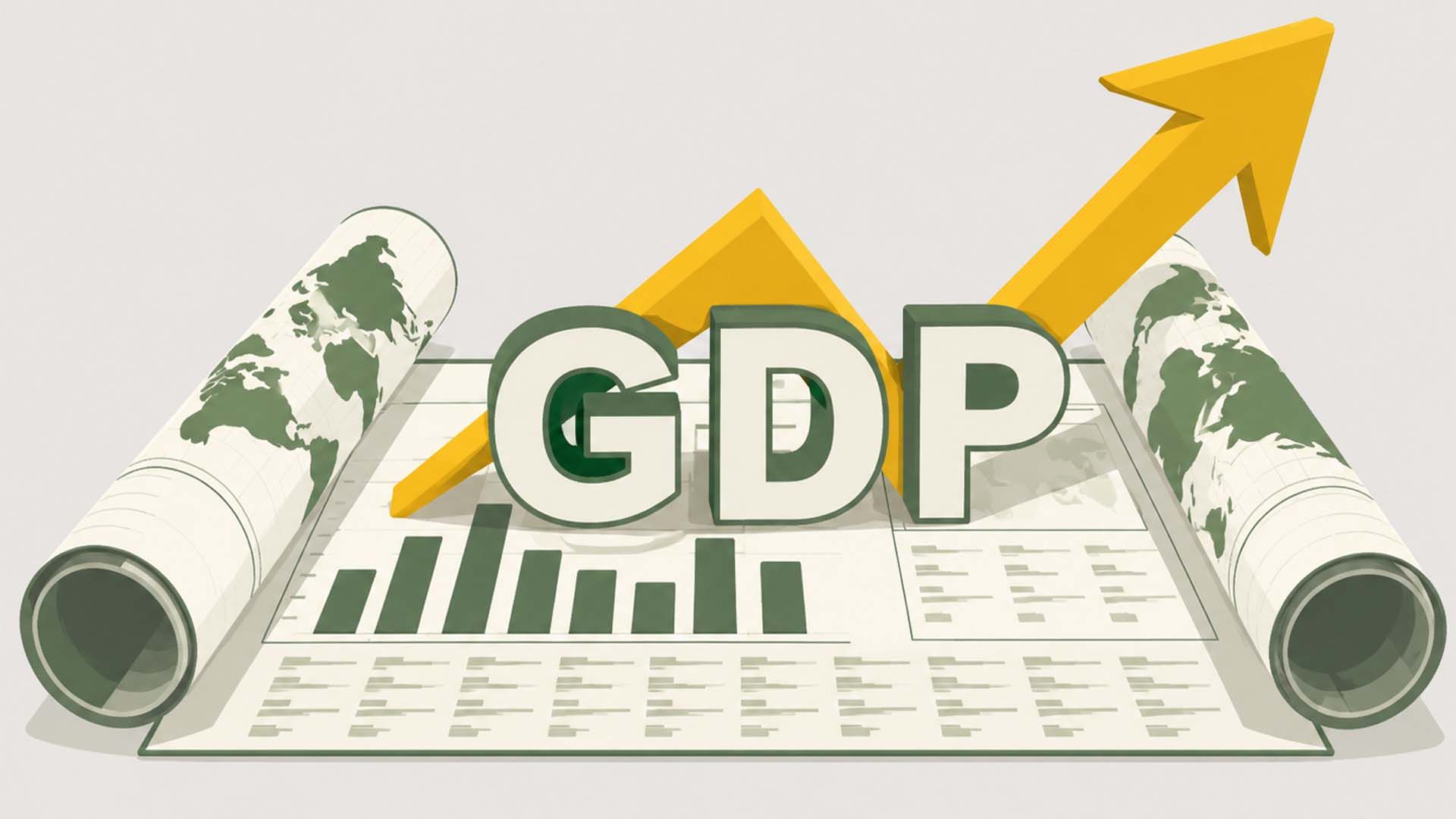
While Vietnam achieved a strong 7.83% GDP expansion in the first quarter of 2026, maintaining this momentum toward the ambitious double-digit annual target requires proactive management of external shocks and price pressures. Consumer prices increased by 3.51% year-on-year during Q1, with March recording the highest monthly gain for that period in five years.
To navigate escalating global uncertainties and volatile fuel costs, the General Statistics Office (GSO) recommends a multi-pronged policy approach:
- Flexible Fuel Price Adjustments: Deploying tax, fee, and stabilization instruments dynamically to buffer domestic markets against international energy price spikes.
- Strategic Timing of Public Services: Phasing adjustments for state-administered utilities including electricity, healthcare, and education, to prevent compounding inflationary pressure.
- Targeted Fiscal Relief: Providing tailored tax incentives and fee reductions to safeguard high-exposure industries such as transportation, agriculture, and logistics.
Nguyen Thi Huong, Head of the GSO, emphasized that keeping inflation controlled while regularly updating growth scenarios will be vital to strengthening the economy's resilience against global market fluctuations.
Strategic Implications for Trade, Freight, and Supply Chains
The latest economic indicators highlight critical operational shifts for international trade and corporate supply chain management:
Freight and Logistics Cost Pressures: With import-export turnover surging 23% to over $249.5 billion, demand for international shipping remains high. However, the widening trade deficit ($3.64 billion) alongside rising global fuel prices is exerting upward pressure on freight rates and port handling fees. Shippers and exporters must prepare for tighter shipping margin control in Q2.
Sourcing and Procurement Stabilization: A robust 9.73% expansion in manufacturing output underscores strong factory production capacity. Nevertheless, with raw material and logistics overhead climbing, foreign enterprises sourcing from Vietnam need end-to-end supply chain visibility and proactive partner management to secure lead times and lock in stable procurement costs.
Key Q1 Economic Indicators: A Solid Growth Foundation
Underpinning these strategic priorities is a broad-based macroeconomic recovery across key productive sectors:
Strong Sectoral Expansion
- Services Sector: Led national growth by contributing over 50% of total value-added, expanding by 8.18% thanks to vibrant Lunar New Year retail demand and a sharp rebound in international tourism.
- Industry and Construction: Rebounded significantly with industrial value-added up 9.73%, supported by accelerated public infrastructure spending.
- Agriculture: Maintained stable momentum with a 3.36% increase in value-added.
Trade Turnover and Business Sentiment
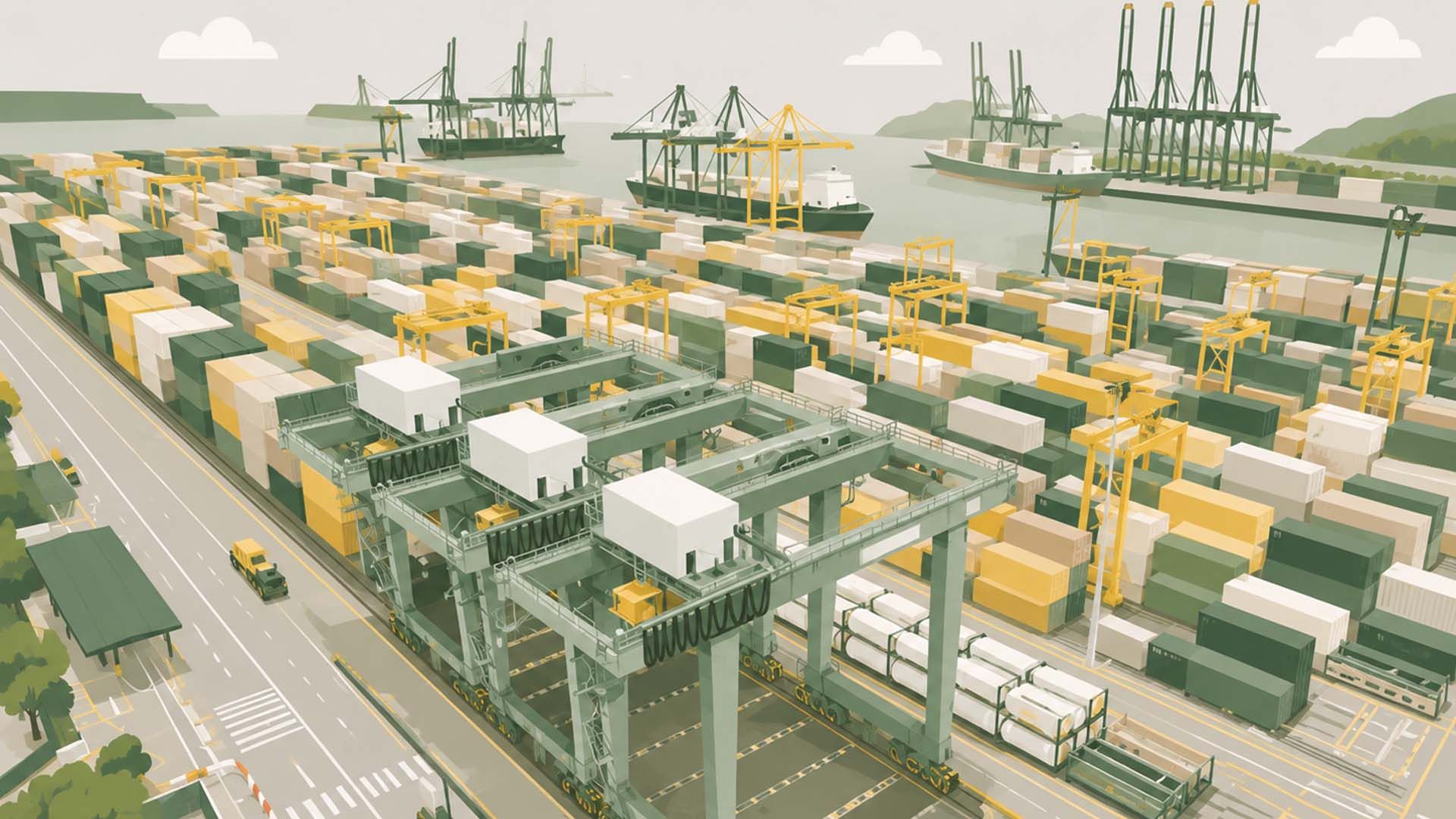
Total trade volume surpassed $249.5 billion in Q1, driven by a 19.1% rise in exports and a 27% increase in imports. In the manufacturing sector, over 63% of surveyed enterprises reported stable or improved operating conditions compared to the previous quarter, reflecting cautious optimism as businesses adapt to evolving global market conditions.
>> See more: Vietnam sourcing guides and benefits with other countries
To navigate rising logistics overheads and safeguard your procurement margins in Vietnam's fast-growing market, partnering with an experienced partner like Vietnam Sourcing provides foreign enterprises with verified supplier networks, end-to-end quality control, and resilient supply chain management.